
Airline Cargo and Pet Safety: What Every Pet Owner Should Know
Sending your pet into an airplane’s cargo hold can feel overwhelming. Worrying about their safety, comfort, and well-being is completely natural, and those concerns deserve to be taken seriously.
What many pet owners may not realize is that airline pet cargo is a regulated and monitored environment, with strict guidelines in place for ventilation, temperature control, and handling. Air cargo travel is designed to reduce risk and keep pets safe throughout the journey.
At Tailwind Global Pet, we specialize in pet shipping and have spent decades planning safe, well-coordinated journeys for pets around the world. We are also aware of the numerous misconceptions surrounding pets traveling in cargo.
In this guide, we’ll address common myths, explain any real risks involved, and show how working with an experienced pet relocation service can help reduce stress and protect your pet.
Is It Safe for Pets to Fly in Airline Cargo?
Yes, for most healthy pets, flying in airline cargo is safe when airline regulations are followed, and pets are properly prepared and medically cleared to travel.
Pet cargo holds are pressurized, temperature-controlled, and monitored. Airlines also operate under strict guidelines set by the USDA, International Air Transport Association (IATA), and their own animal welfare policies.
Read Next: Airlines That Fly Pets Unaccompanied
Debunking the Myths
There are risks involved with any kind of travel involving live animals. When it comes to air travel, fears tend to get amplified by the rare story of a flight going badly, causing unnecessary anxiety.
There are also many myths and misconceptions about pets in cargo that aren’t rooted in real experiences we see daily. By debunking some of these myths, we hope to ease some of your worries as you plan your pet relocation or international travel.
Myth 1: The cargo hold isn’t ventilated properly.
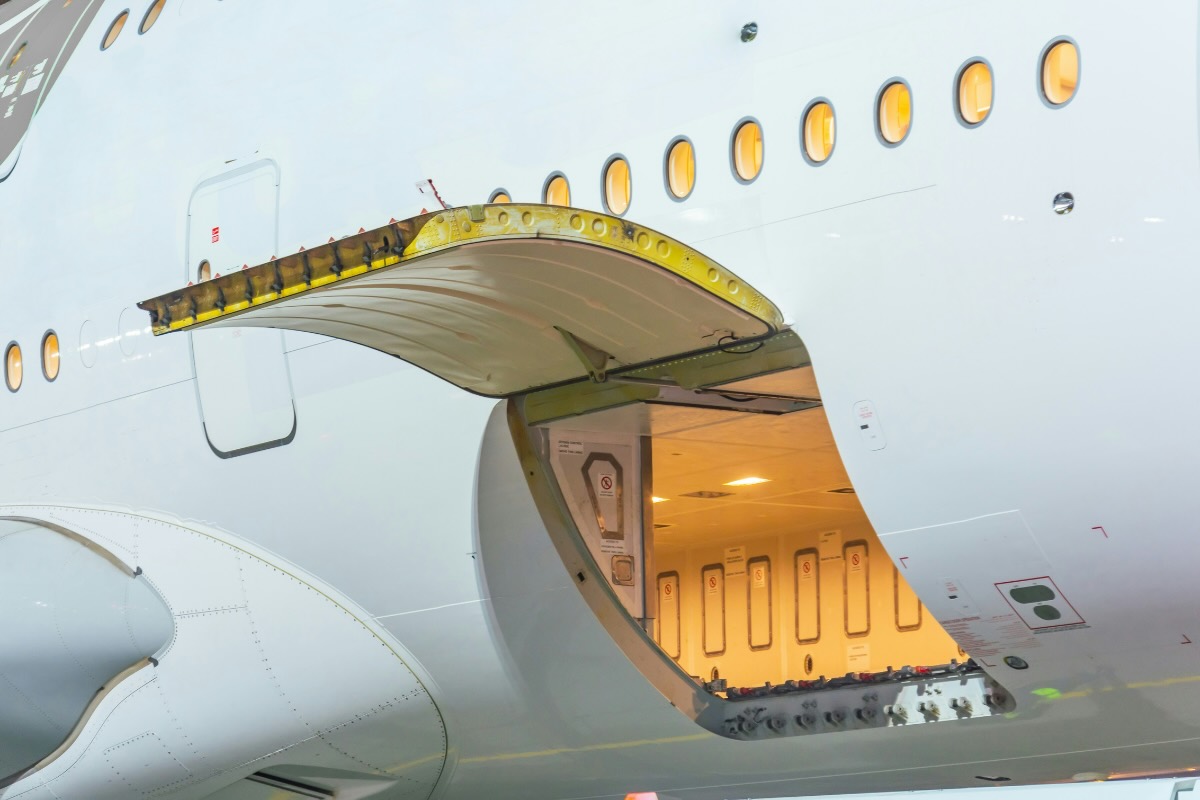
Fact: Cargo holds used for pet transport are fully pressurized and ventilated, just like the aircraft cabin.
Pets are transported in a designated, climate-controlled section of the cargo hold that gets a continuous supply of fresh air from the aircraft’s environmental control system. This system regulates air pressure, temperature, and oxygen levels throughout the flight.
Before every flight, the flight crew is informed when pets are on board so that airflow in the cargo area is carefully managed. Proper ventilation is a fundamental requirement of cargo operations when live animals are on board. Temperatures are kept comparable to those in-cabin.
Myth 2: Cargo holds are unregulated and uncomfortable for pets.
Fact: Pet-friendly airlines follow strict regulations designed specifically for the safe transport of live animals.
Pets are placed in a designated section of the cargo hold reserved for live animal transport, where airflow, temperature, and pressure are carefully managed. Pet crates are always securely fastened in the hold to keep pets safe during any potential turbulence.
Airline requirements are strict about crates, too, based on IATA standards. Your pet must be able to stand up, turn around, and lie down comfortably inside their crate, which helps prevent stress and physical discomfort during travel. Only airline-approved crates that meet size, ventilation, and security guidelines are permitted.
Myth 3: Pets are neglected and mishandled by airline staff.
Fact: Airlines that accept pets in cargo train their staff specifically in live animal handling procedures.
From check-in to loading and unloading, pets are handled according to established airline and animal welfare protocols. When a pet is booked, airline teams know in advance, so pets are prioritized during loading and removed promptly upon arrival.
That said, handing your pet over at the airport is still one of the most challenging parts for most pet owners, and we understand that completely. Working with a professional pet shipper helps ease that stress.
Pet shippers coordinate directly with the airline, oversee check-in, and manage your pet’s journey door-to-door, reducing handoffs and ensuring consistent oversight throughout the trip.
Read Next: How to Ship a Dog to Another State
Planning an international flight for your pet? We can help.
Myth 4: Pets get lost.
Fact: Pets do not travel with standard luggage and are handled through a separate, closely managed process.
Pets are among the first to be loaded into the aircraft and the first to be unloaded upon arrival, which helps minimize the amount of time they spend in the cargo hold. During the flight, they remain in a designated, climate-controlled pet cargo area that is monitored by the airline.
Airlines and professional pet shippers also use multiple tracking and verification steps to ensure pets are booked on, loaded onto, and removed from the correct flights.
Myth 5: Cargo-hold travel is traumatic for pets.
Fact: While travel can be stressful, especially for anxious pets, most pets won’t suffer any long-term effects from travel in cargo.
Airlines and pet shippers take steps to reduce stress by limiting handling, minimizing time in the cargo area, and maintaining stable environmental conditions throughout the flight. Preparing your pet in advance also plays an important role.
Crate training helps pets feel secure in their travel space, and giving them a personal item with your scent can provide additional comfort during the journey.
Read More: The Ultimate Dog Travel Checklist For Air Travel
The True Risks and Realities
The overwhelming majority of pets that fly do so without incident. Working with a professional pet shipper reduces the risk even further, as they’ll take proactive steps to mitigate risks and communicate with you before, during, and after travel.
“I’ve personally accompanied dogs on dozens of flights during my career and helped load and unload them from cargo. I’d always choose to ship my pet via air cargo.”
– Brady, Operations Manager, Tailwind Global Pet
While no form of travel is completely without risk, understanding how these situations are handled can help you feel informed and confident when planning your pet’s journey.
Temperature Extremes
Airlines have strict guidelines around pet travel during extreme temperature months. Even though the cargo area is temperature-controlled, pets are still briefly exposed to outside conditions while on the tarmac during check-in, loading, or unloading.
Most airlines have embargoes on pet travel when forecasted temperatures are above 85 degrees Fahrenheit at any point during their journey.
In the winter, most big carriers limit flights with pets when ground temperatures fall below 45 degrees Fahrenheit. Some airlines waive this rule with pre-approval from a licensed veterinarian, but you won’t get a waiver if temperatures fall below 20 degrees Fahrenheit.
Flight Delays or Reroutes
Flight delays happen. Changes to travel itineraries can occur due to weather, aircraft availability, or operational adjustments. adjustments. This may create situations where days of travel are added to your pet’s flight plans.
This is why coordination and monitoring are important. Professional pet transport companies can track a pet’s journey and communicate directly with airlines if schedules change, whether the flight is within the U.S. or international.
Multi-leg international flights over long distances are more likely to encounter delays. At Tailwind, we always have contingency plans in place for the rare case of an unexpected delay and work with airlines known for consistent, well-managed pet transport.
It’s important to note here that cargo travel often offers the most efficient route to a destination, even if you’re traveling with a cat or dog small enough for the cabin. The most direct route is the goal!
Breed and Health Concerns
Not all pets are approved to travel in cargo, and restrictions may be based on breed, health, safety, or size. For starters, all pets must travel with a health certificate dated within 10 days of travel, clearing them to fly.
Health certificates cover their vaccinations and rabies history, microchip information, and any additional tests and treatment that may be needed by their destination. They may also include endorsements if needed.
If your vet believes air travel could pose a risk to a pet’s health, the pet should not be cleared to fly. Some breeds face additional restrictions. Snub-nosed dogs and cats have anatomically shorter airways, which can increase the risk of respiratory issues during air travel.
As a result, many carriers do not allow certain breeds, like English bulldogs, pugs, French bulldogs, and Boston terriers, to travel in cargo. Certain strong-jawed breeds, like pit bull terrier-type dogs, are also not allowed on all carriers or may require special reinforced kennels.
Large dogs may also face limitations based on aircraft type, crate size requirements, or available cargo space. If your pet falls into one of these categories, talk to us. We’ve worked with plenty of people in these circumstances and can help you with your options.
Anxious and Stressed Pets
It’s important to prepare your pet for the journey well before travel, especially if it’s their first time flying. That includes crate or pet carrier training and addressing behavioral concerns like separation or stranger anxiety.
Your vet is a good resource for natural calming aids or techniques for anxious pets. You should avoid sedatives or tranquilizers, as sedation can impair your pet’s ability to self-regulate in the cargo hold. Changes in pressure while under sedation can result in serious consequences.
Read Next: A Guide to Pet Travel Insurance
When It’s Worth Calling in the Experts
Airline cargo is a safe option for the majority of pets, but there are situations where working with an experienced pet shipping company adds an important layer of support.
If you’re unsure about airline requirements or flying with a brachycephalic breed, strong-jawed dog, or jumbo pet, professional guidance can detail your options for you. In cases where your pet truly can’t fly, our experts can even help you with planning out ground transportation.
If you’re booking international pet transport to destinations like New Zealand and Australia with tricky import rules, we can make sure you don’t miss anything that can cause delays.
Experienced pet shippers handle every detail of the trip, from booking the best flights to minimize time in transit to preparing documentation and ensuring travel crates meet airline standards. We monitor your pet’s journey to keep you informed from door to door.
For those traveling through LAX, we can even offer visiting pets a rest stop at our boarding facility, Kennel Club LAX.
Success Stories and Positive Experiences
Since 1983, thousands of pet owners flying from one side of the world to the other have trusted us to keep their pets safe during transport. Our clients say they love our follow-through with consistent communication during a demanding process, and that we treat pets as our own.
Most importantly, they wouldn’t hesitate to use our services for their pet’s next flight because of the happy reunions we’ve facilitated. Don’t just take our word for it, though.

“We had an outstanding experience with Tailwind Global Pet, especially with Dylan’s assistance. From start to finish, he went above and beyond to ensure everything ran smoothly. No matter what time we called, Dylan was always available to answer the phone and provide guidance. He even personally went to Turkish Airlines cargo to pick up our dog and managed to complete the entire check-in process in just one hour! His dedication and commitment truly made the whole experience stress-free for us. We can’t recommend Tailwind Global Pet and Dylan enough for their professionalism and care!”
– Hirsa A.
“I have nothing but praise for Tailwind Global Pet and specifically Brady Wheeler. There were many companies I researched because I was moving two of my fur babies (toy poodle mix & cavapoo) from Los Angeles to Hong Kong. I was very nervous about transporting them on a long flight in cargo. However, Brady helped me every step of the way, he answered all my detailed questions, and reassured me that all will be well and it was. From the morning pickup on the day of the flight to being so attentive to all my concerns, my fur babies arrived safely in Hong Kong and everything went so smoothly. Thank you Brady and team for alleviating the stress of transporting my fur babies to Hong Kong! I will highly recommend your company to others.”
– Jennifer L.
FAQs
With Professional Pet Transport, You Get Peace of Mind
We’ve helped thousands of anxious pet owners (and even the most nervous pets!) get to their destinations safely and efficiently. We know the process sounds scary, but with the right support in place, we can turn that stress into peace of mind and keep your pet safe every step of the way.
Ready to get started? Each pet relocation situation is different, so to get an idea of the costs involved, fill out a quote request.